The Villages, FL Water Treatment
Clean, Soft Waterfor The Villages
Whole-home softening, chlorine filtration and reverse osmosis for The Villages and the communities around it. Based right down the road in Bushnell.
Your local water
Where The Villages' Water Comes From
The Villages' drinking water is groundwater from the Floridan Aquifer, pumped and treated by the District's own utilities.
District utilities
The Villages' water utilities draw from wells in the Floridan Aquifer, then chlorinate the water for disinfection before it reaches your home.
165 mg/L of hardness
The Village Center Service Area measured 165 mg/L of hardness (about 10 grains per gallon) in its latest report. That is hard water, and it leaves scale behind.
Wells & city systems
Wildwood, Lady Lake, Leesburg and Bushnell run their own systems, and many rural homes are on private wells that often carry sulfur and iron.
Villages water
Hard Water & Chlorine
The Floridan Aquifer runs through limestone, so the water picks up minerals on the way. Add chlorine for disinfection and you get the two most common complaints we hear.
- Scale on everything. Floridan Aquifer water runs through limestone and picks up calcium and magnesium, which leave white crust on faucets, shower glass and dishes.
- Shorter appliance life. Scale builds up inside water heaters, dishwashers and washing machines, so they work harder and wear out sooner.
- Chlorine taste and smell. City water is disinfected with chlorine, which you can taste in drinking water and smell in a hot shower.
- Sulfur and iron on wells. Private wells often bring a rotten egg smell from hydrogen sulfide and orange staining from iron.
Not sure what you need?
Most Villages homes do best with catalytic carbon to remove chlorine plus a softener to stop scale. That is exactly what our Standard System does, and it is the system we install most.
We're based in Bushnell, so we can test your water at your home and show you the difference.
Contaminants detected
What's Been Found in The Villages Water
The Environmental Working Group (EWG) collects utility testing data and compares it with its own health guidelines, which are much stricter than federal legal limits. A level under the legal limit is legal; EWG flags it because research suggests health risks at lower levels. Activated carbon reduces disinfection byproducts like TTHMs and HAA5, and reverse osmosis reduces PFAS, arsenic, chromium-6, radium and nitrate.
Villages of Lake-Sumter (Plants 1, 3 & 5)
EWG data, 2015–2023
Central Sumter Utility
EWG data, 2018–2023
South Sumter Utilities
EWG data, 2018–2023
Levels are utility averages from the EWG Tap Water Database. The PFOA and PFOS limit of 4 ppt is EPA's federal standard, with compliance required by 2031. Look up your ZIP code on EWG →
Recommended for The Villages
Systems That Fit Villages Water
With hard water and chlorine in the mix, a catalytic carbon and softener combination is the most popular choice in The Villages.
Villages & city water
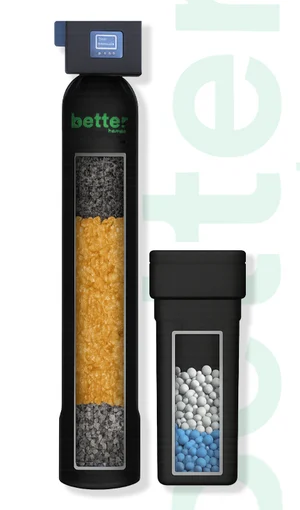
Standard System
Catalytic coconut shell carbon plus a softener in one system. Removes chlorine and chloramine and stops hard water scale. Our most popular system.
See details & pricing →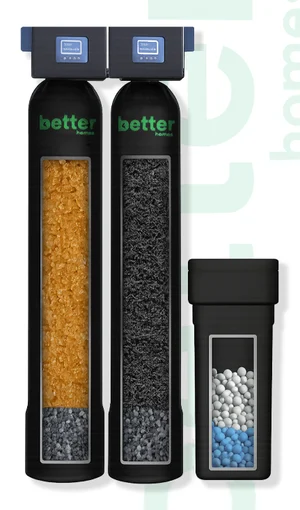
City Water Dual Tank
A catalytic carbon tank and a softener tank, each with its own valve, for chlorine-free, fully soft water.
See details & pricing →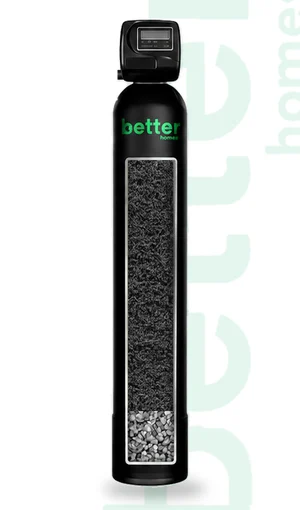
Catalytic Carbon Tank
A single catalytic carbon tank that removes chlorine, chloramine and the tastes and odors they cause at every tap.
See details & pricing →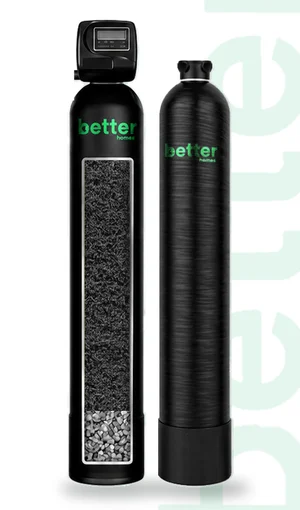
Catalytic Carbon + Salt-Free Conditioner
Removes chlorine and chloramine and conditions hardness with no salt and no brine tank.
See details & pricing →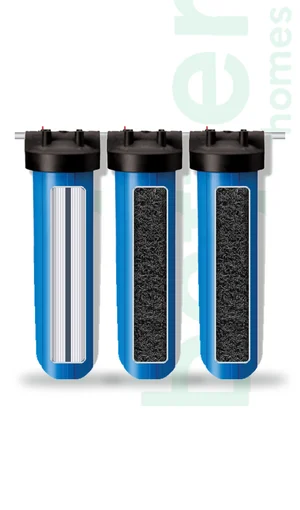
3-Cartridge Carbon System
A compact system with a sediment filter and two carbon blocks that remove chlorine, chemicals, taste and odor at every tap.
See details & pricing →Private well water
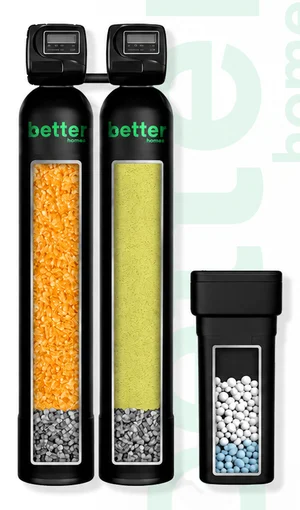
AIO Dual Tank Well System
Katalox Light for sulfur, iron and manganese, plus a softener for hard well water.
See details & pricing →Standard System
Catalytic coconut shell carbon plus a softener in one system. Works on many wells with hard water and mild taste or odor.
See details & pricing →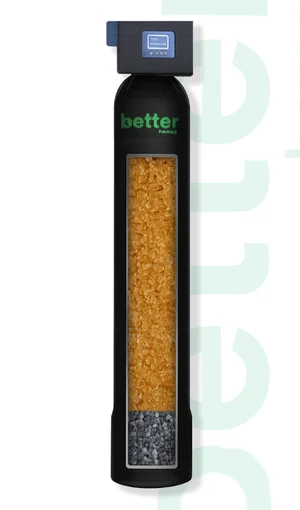
Whole Home Water Softener
Removes the calcium and magnesium that cause scale. On well water without much sulfur or iron, a softener alone is often all you need.
See details & pricing →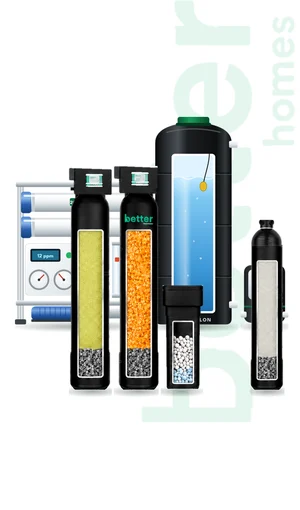
Whole Home RO for Well Water
AIO air injection and Katalox Light remove iron, manganese and sulfur, then a softener and a 2,000 GPD membrane deliver purified water to every tap.
See details & pricing →Service area
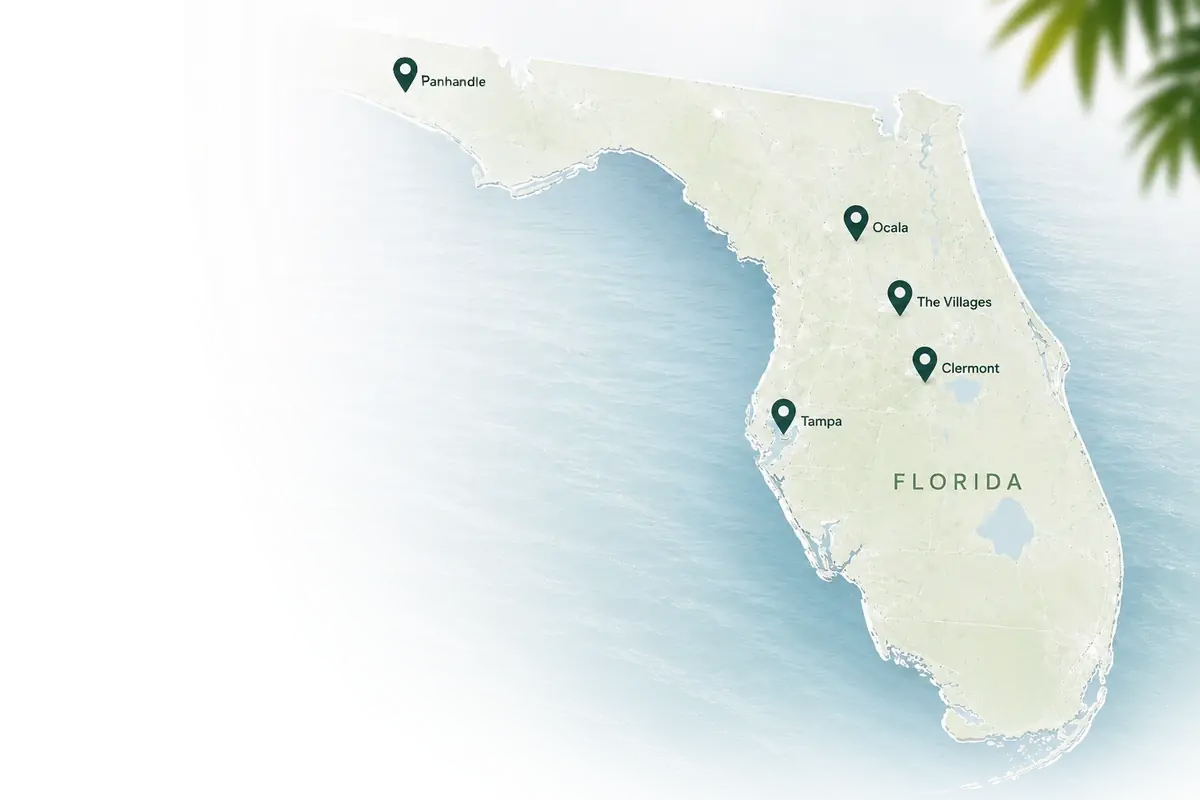
Serving The Villages & Nearby Communities
Our team installs and services systems across The Villages and Sumter, Lake and Marion counties.
FAQ
The Villages Water Questions
Is water in The Villages hard?
Yes. The Village Center Service Area reported 165 mg/L of hardness (about 10 grains per gallon) in its latest water quality report. That is hard water, which leaves scale on fixtures and inside appliances.
Does The Villages use chlorine or chloramine?
Chlorine. The District chlorinates its Floridan Aquifer water for disinfection before distribution.
What is the best water system for my home?
For most homes on city water, our Standard System: catalytic coconut shell carbon removes chlorine, taste and odor, and a softener removes the hardness minerals that cause scale. On a private well, we test first and match a well system to your water.
What contaminants are in The Villages water?
According to the EWG Tap Water Database, District water shows disinfection byproducts (TTHMs and HAA5), radium, and in the Lake-Sumter plants, PFOA and PFOS above the 4 ppt limit EPA has set for 2031. Activated carbon reduces disinfection byproducts, and reverse osmosis reduces PFAS, radium and arsenic.
Why does my well water smell like rotten eggs?
Floridan Aquifer wells often contain hydrogen sulfide gas, which causes the smell, along with iron. An AIO Katalox Light system removes it. For the most severe sulfur, we use hydrogen peroxide injection.
Do you install outside The Villages?
Yes. We serve Lady Lake, Wildwood, Fruitland Park, Leesburg, Summerfield, Oxford, Bushnell, Coleman and Lake Panasoffkee. Call or text (850) 680-6598 to check your address.
Talk to our Villages team
Ready for Better Water?
Tell us about your home and water, and we'll get back to you within 24 hours with the right system for your address.
Better HomesBased in Bushnell, serving The Villages
(850) 680-6598 · [email protected] Call or Text Now
Sources: EWG Tap Water Database; Village Center Service Area annual drinking water quality report. Hardness figures are typical values and vary by location.