
Florida Panhandle Water Treatment
Clean, Great-Tasting Waterfor the Panhandle
Whole-home filtration, reverse osmosis and well water systems for Gulf Breeze, Pensacola, Navarre, Fort Walton Beach, Destin and the rest of the Panhandle. Installed by our Gulf Breeze team.
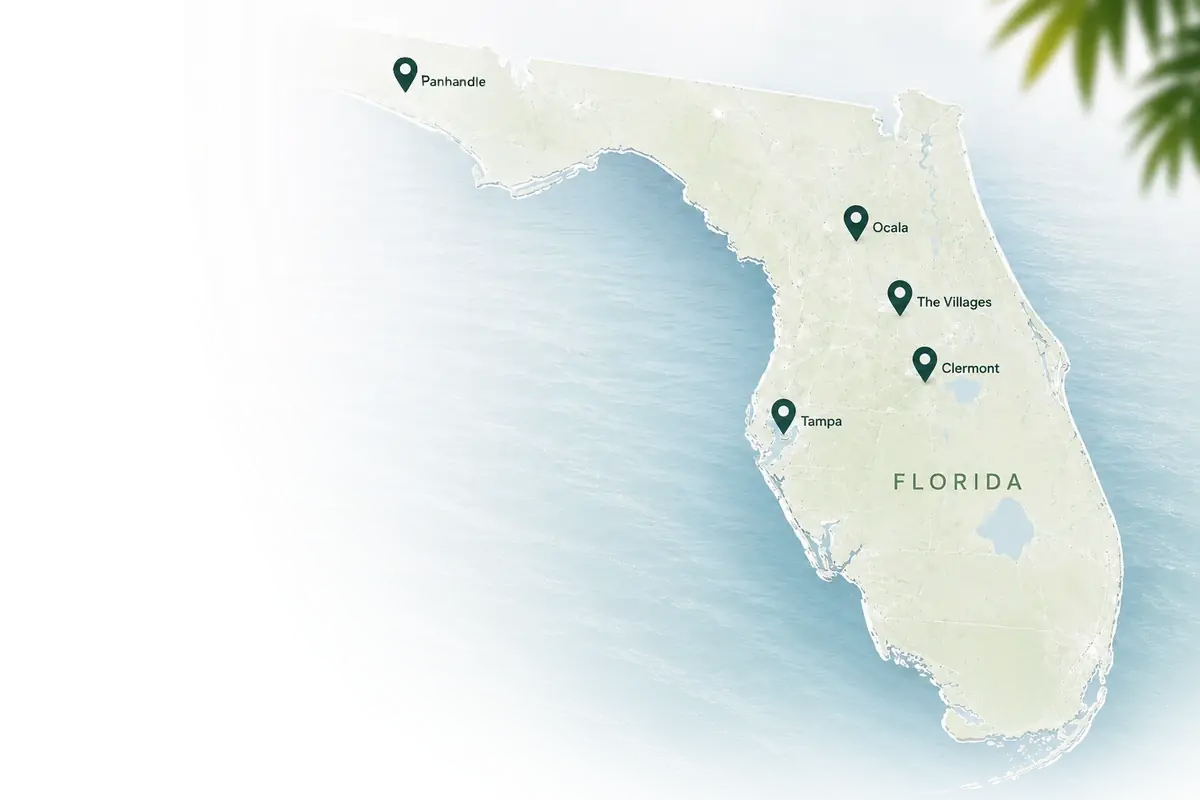
Your local water
Where the Panhandle's Water Comes From
Unlike most of Florida, Pensacola and Gulf Breeze do not drink from the Floridan Aquifer. Their water comes from the shallow Sand-and-Gravel Aquifer, which is naturally soft and low in minerals. Further east, Fort Walton Beach and Destin draw from deep Floridan Aquifer wells.
City of Gulf Breeze
Gulf Breeze buys its water from FRUS, a well system it co-owns with Midway and Holley-Navarre, and from ECUA. The wells draw from the Sand-and-Gravel Aquifer and are treated with lime and orthophosphate for pH and chlorine for disinfection.
Emerald Coast Utilities Authority
ECUA pumps from the Sand-and-Gravel Aquifer. Every well gets lime for pH, phosphoric acid for corrosion control and chlorine. Carbon filters at 16 wells remove iron and organic contaminants and help reduce PFAS.
Fort Walton Beach & Destin
Fort Walton Beach pumps from deep wells in the Floridan Aquifer, where aeration and chlorination are the only treatment needed. Destin is served by Destin Water Users. Floridan water can carry more minerals than Pensacola water, so we test before recommending a system.
Panhandle water
Soft Water, Different Problems
Panhandle homes rarely need a softener. The concerns here are what the water carries and what the utility adds to it.
- Chlorine taste and smell. Every utility in the area disinfects with chlorine, which you can taste in drinking water and smell in a hot shower.
- PFAS and chemicals. ECUA monitors for PFAS and has added carbon filtration at some wells. Carbon and reverse osmosis at home add another layer.
- Iron staining. Iron in the aquifer can leave orange stains on sinks, tubs and laundry.
- Acidic well water. Untreated Sand-and-Gravel Aquifer water is often acidic. It can corrode copper pipes and leave blue-green stains, so we test pH before recommending a well system.
City water or a well?
On city water, a catalytic carbon tank or 3-cartridge carbon system removes chlorine at every tap, and whole-home reverse osmosis gives you purified water everywhere.
On a private well, we test for pH, iron and sulfur first, then match the system to what we find.
Contaminants detected
What's Been Found in Panhandle Water
The Environmental Working Group (EWG) collects utility testing data and compares it with its own health guidelines, which are much stricter than federal legal limits. A level under the legal limit is legal; EWG flags it because research suggests health risks at lower levels. Activated carbon reduces disinfection byproducts like TTHMs and HAA5, and reverse osmosis reduces PFAS, arsenic, chromium-6, radium and nitrate.
Emerald Coast Utilities (Pensacola)
EWG data, 2014–2024
Gulf Breeze Regional
EWG data, 2018–2024
City of Fort Walton Beach
EWG data, 2014–2023
Destin Water Users
EWG data, 2013–2024
Levels are utility averages from the EWG Tap Water Database. The PFOA and PFOS limit of 4 ppt is EPA's federal standard, with compliance required by 2031. Look up your ZIP code on EWG →
Recommended for the Panhandle
Systems That Fit Panhandle Water
Because the water is already soft, the focus here is filtration: carbon for chlorine and chemicals, and whole-home reverse osmosis for purified water at every tap.
City water
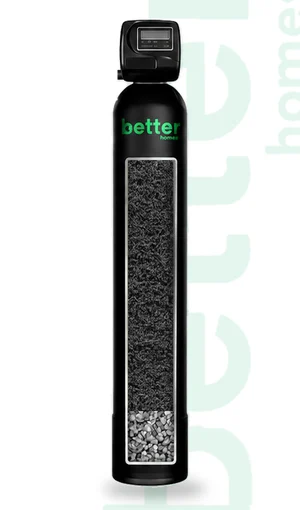
Catalytic Carbon Tank
A single catalytic carbon tank that removes chlorine, chloramine and the tastes and odors they cause at every tap.
See details & pricing →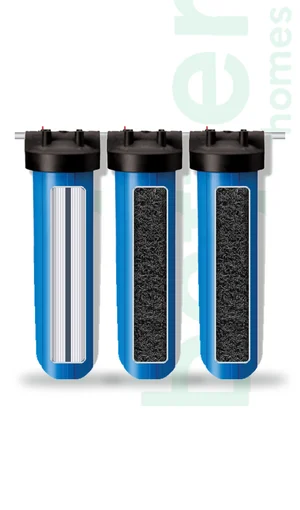
3-Cartridge Carbon System
A compact system with a sediment filter and two carbon blocks that remove chlorine, chemicals, taste and odor at every tap.
See details & pricing →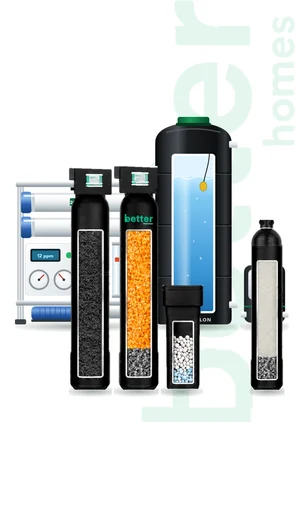
Whole Home RO for City Water
Catalytic carbon, a softener and a 2,000 GPD membrane for purified water at every tap.
See details & pricing →Private well water
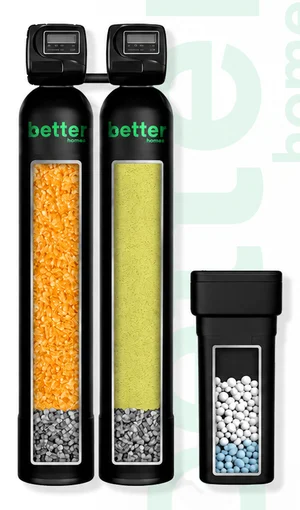
AIO Dual Tank Well System
Katalox Light for sulfur, iron and manganese, plus a softener for hard well water.
See details & pricing →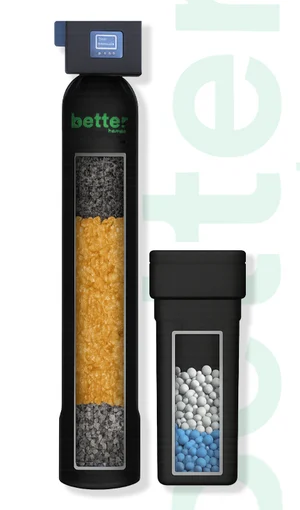
Standard System
Catalytic coconut shell carbon plus a softener in one system. Works on many wells with hard water and mild taste or odor.
See details & pricing →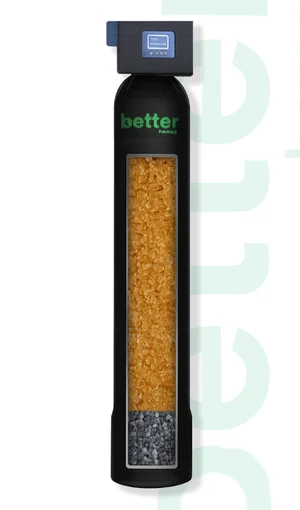
Whole Home Water Softener
Removes the calcium and magnesium that cause scale. On well water without much sulfur or iron, a softener alone is often all you need.
See details & pricing →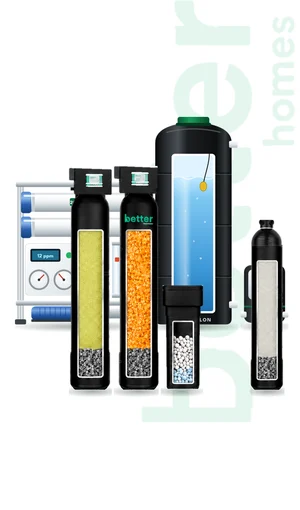
Whole Home RO for Well Water
AIO air injection and Katalox Light remove iron, manganese and sulfur, then a softener and a 2,000 GPD membrane deliver purified water to every tap.
See details & pricing →Service area
Serving Gulf Breeze, Pensacola, Destin & the Panhandle
Our Gulf Breeze team installs and services systems across Escambia, Santa Rosa and Okaloosa counties.
FAQ
Panhandle Water Questions
Is Pensacola and Gulf Breeze water hard?
No. The Sand-and-Gravel Aquifer is naturally soft and low in minerals, so most homes do not need a softener. Utilities actually add lime to raise the pH. Fort Walton Beach and Destin draw from the Floridan Aquifer, so we test those homes for hardness.
Does Gulf Breeze use chlorine or chloramine?
Chlorine. Gulf Breeze buys water from FRUS and ECUA, both of which disinfect with chlorine, and the city re-chlorinates to keep a residual in its pipes.
Is there PFAS in Pensacola water?
Yes, at low levels. The EWG Tap Water Database lists ECUA averages of 4.64 ppt PFOA and 4.56 ppt PFOS, just above the 4 ppt limit EPA has set for 2031. ECUA has installed carbon filters at 16 wells that help reduce PFAS. Reverse osmosis at home is one of the most effective ways to reduce PFAS in drinking water.
What if my well water is acidic?
Acidic water can corrode copper plumbing and leave blue-green stains. We test pH, iron and sulfur at your home before recommending a well system.
Do you install outside Gulf Breeze?
Yes. We serve Pensacola, Pensacola Beach, Navarre, Milton, Pace, Tiger Point, Midway, Perdido Key, Cantonment, Fort Walton Beach and Destin. Call or text (850) 680-6598 to check your address.
Talk to our Gulf Breeze team
Ready for Better Water?
Tell us about your home and water, and we'll get back to you within 24 hours with the right system for your address.
Better Homes Gulf Breeze1195 Gulf Breeze Pkwy
Gulf Breeze, FL 32561
(850) 680-6598 · [email protected] Call or Text Now
Sources: EWG Tap Water Database; City of Gulf Breeze annual drinking water quality report; Emerald Coast Utilities Authority annual water quality report. Hardness figures are typical values and vary by location.